Description
35mm Glass Bottom Dish
Well Diameter: 15mm/20mm
TC Treated, Sterile
Loading

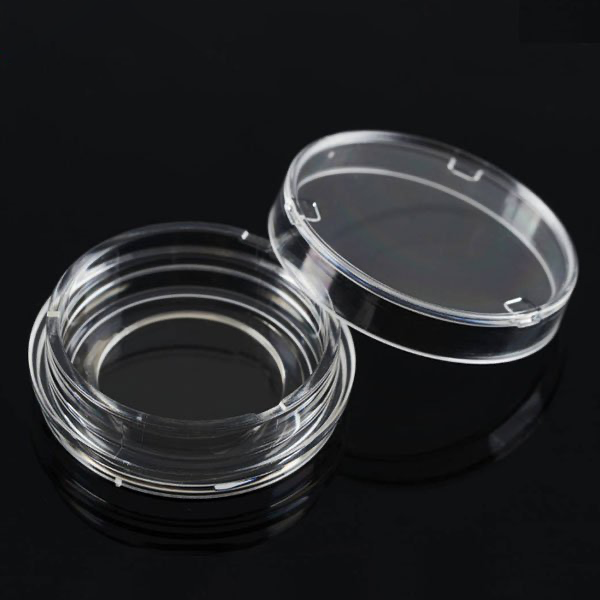
A glass bottom dish is a type of laboratory or scientific dish that has a transparent glass bottom. It is typically used in microscopy and cell culture applications. The glass bottom allows for high-resolution imaging and observation of cells or specimens from the bottom, which is especially useful for studying adherent cells or organisms.
The dish bottom is made of clear, optically transparent borosilicate glass, which provides excellent clarity and minimal distortion. The glass bottom is typically a thin, flat surface that allows light to pass through, enabling microscopic examination of the sample.
In addition to microscopy, glass bottom dish can also be used for other applications, such as fluorescence imaging, confocal microscopy, and high-throughput screening. They are available in various sizes and formats to accommodate different experimental needs.
35mm Glass Bottom Dish
Well Diameter: 15mm/20mm
TC Treated, Sterile
Reviews
There are no reviews yet.